Latest Insights

Home / Archive by category "Insights"
Weekly Highlights

3/31 – Weekly Economic Highlights

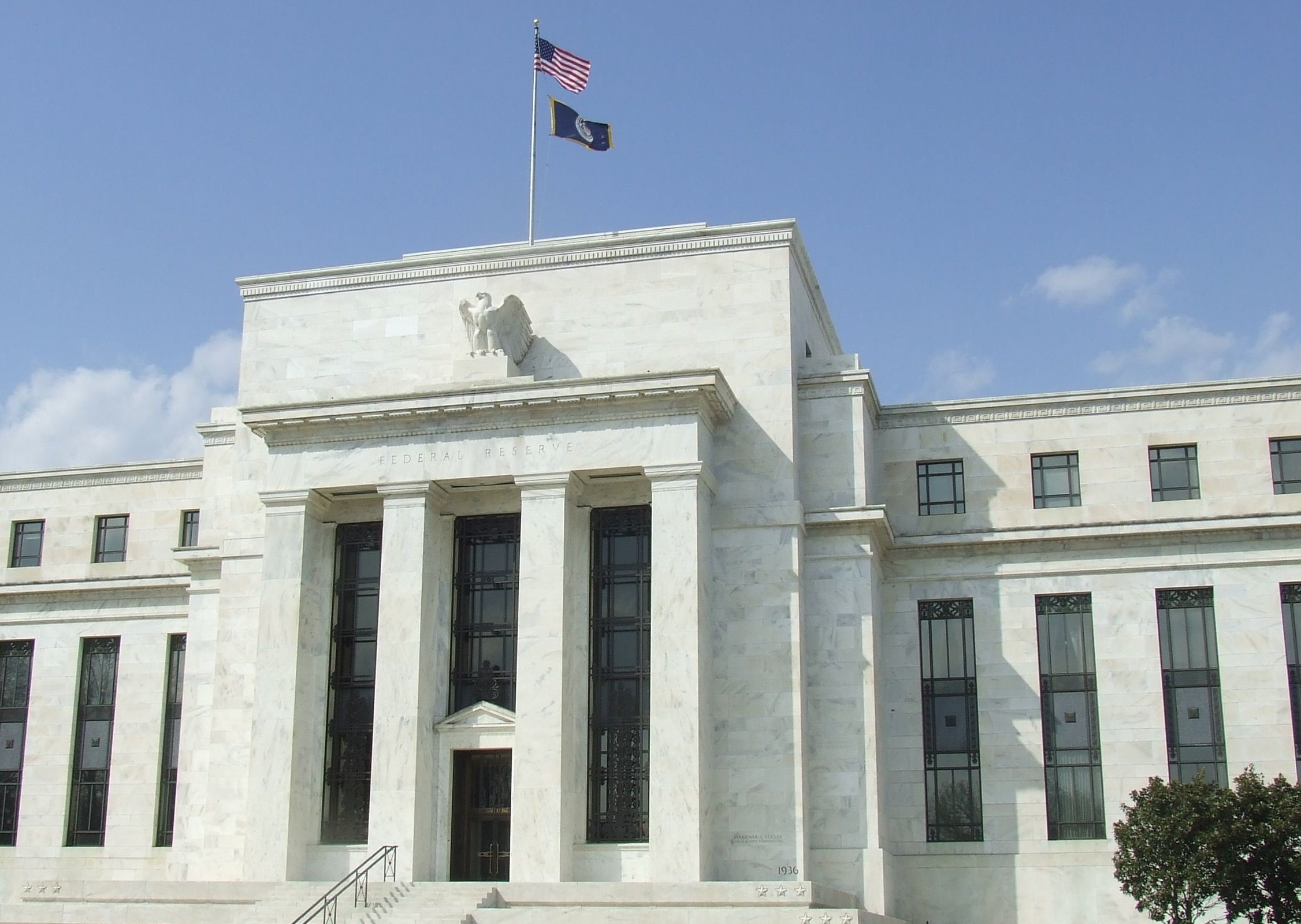
Financial market volatility eased as participants took a breather from the hectic pace that occurred over the last few weeks. Markets digested a key gauge of US inflation, the Personal Consumption Expenditures (PCE) Index which rose 5% year-over-year in February, an improvement over January’s report. Excluding food and energy, the core PCE price index, the Federal Reserve’s (Fed) preferred inflation gauge, climbed 4.6%, matching the smallest increase since October 2021. Recent inflation data suggests tighter monetary policy by the Fed is working to bring down inflationary pressures. The Fed is likely to remain steadfast in its campaign to achieve its 2% inflation goal but market participants remain split as to the possibility of an additional rate hike at their May 3rd meeting.

Learn More
Weekly Highlights

3/24 – Weekly Economic Highlights

Market participants were highly focused on central bank activity around the world this week. The Bank of England hiked the benchmark rate another 25 basis points on the heels of the European Central Bank’s 50-basis point rate hike. Most significantly here in the U.S., at the March 22nd meeting, the Federal Open Market Committee voted unanimously to raise the target federal funds rate by 0.25% to a range of 4.75 – 5.00%. Fed Chair Powell reiterated the committee’s focus on bringing down inflation to their 2% target, which remains most persistent for non-housing services prices. However, the committee softened language about “ongoing increases” in rates in the prior statement to “some additional policy firming may be appropriate”, with a focus on “may” and “some”. The statement also emphasized that the U.S. banking system is “sound and resilient” and acknowledged the tightening in financial conditions. Powell indicated that the extent of these effects is uncertain but speculated that tighter credit conditions could be equivalent to a rate hike or more. The Summary of Economic Projections was little changed, with the consensus target federal funds rate rising to 5.1% by the end of 2023 (implying one more quarter point hike), falling to 4.3% in 2024 (up from 4.1% previously), and declining to 3.1% by the end of 2025. No rate cuts were in the Fed’s base case for this year, contrary to the market consensus. Although projections imply policymakers are winding down interest rate hikes, the statement clearly reflected optionality for the Fed to remain data dependent. Rates plummeted across the curve as the market priced in tighter financial conditions, slower economic growth, and future rate cuts. The Chandler team believes the Fed is likely near a pause in their rate hiking cycle.


Learn More
Weekly Highlights

3/17 – Weekly Economic Highlights

Economic data this week including top tier inflation data was overshadowed by Silicon Valley Bank being placed in receivership reflective of financial stress in the U.S. regional banking sector as well as the global banking system when Credit Suisse, one of the biggest but troubled financial institutions in the world, was informed by its largest shareholder that it would not provide further equity capital support. Fortunately, both circumstances were addressed in an expeditious manner by their respective regulators. In the U.S., the Treasury department, Federal Reserve, and Federal Deposit Insurance Corporation jointly put policies in place to ensure bank deposit availability for individuals and corporations. U.S. Regulators also addressed pending liquidity concerns for the banking sector with the establishment of the Bank Term Funding Program, allowing banks to obtain liquidity from the Federal Reserve via pledging assets as collateral for cash as opposed to selling securities, assisting in alleviating bank balance sheet stress. Subsequent to the action taken by regulators in the U.S., the Swiss central bank stated on Wednesday it was going to provide financial support to Credit Suisse. The following day, Credit Suisse said it intended to borrow up to 50 billion Swiss Francs ($53.68 billion) through a covered loan facility and short-term liquidity facility but in spite of these regulatory actions, market confidence has yet to be restored. The recent financial stress when combined with getting inflation under control present a major challenge for the Fed in determining the appropriate path for monetary policy.

Learn More

Topics

Checkbox